








തിരുവനന്തപുരം: റെക്കോർഡുകൾ ഭേദിച്ചു വിഴിഞ്ഞം രാജ്യാന്തര തുറമുഖത്തിന്റെ കുതിപ്പ്. ജനുവരിയിൽ
1.23 ലക്ഷം ടിയുഇ കണ്ടെയിനറുകൾ വിഴിഞ്ഞത്ത് കൈകാര്യം ചെയ്തു. ഇതുവരെയുള്ളതിൽ ഏറ്റവും ഉയർന്ന പ്രതിമാസ കണക്കാണിത്.
കഴിഞ്ഞ മാസം തുറമുഖം 62 കപ്പലുകൾ കൈകാര്യം ചെയ്തു. പ്രതിമാസക്കണക്കിൽ ഇതും ഏറ്റവും ഉയർന്ന എണ്ണമാണ്. മണിക്കൂറിൽ 30.12 കണ്ടെയ്നറുകൾ എന്ന ഏറ്റവും ഉയർന്ന ഗ്രോസ് ക്രെയിൻ നിരക്ക് (GCR) വിഴിഞ്ഞം കൈവരിച്ചു. രാജ്യാന്തര തലത്തിൽ തന്നെ ജിസിആർ 30 നു മുകളിൽ എത്തുന്നത് മികച്ച നേട്ടമായാണ് കണക്കാക്കുന്നത്.
ഒരു വർഷത്തിലേറെയായി വാണിജ്യാടിസ്ഥാനത്തിൽ പ്രവർത്തിക്കുന്ന തുറമുഖത്തിന്റെ ഉൽപ്പാദനക്ഷമതയിൽ കുത്തനെയുള്ള പുരോഗതിയാണ് ഈ കണക്കുകൾ സൂചിപ്പിക്കുന്നത്.
കൈകാര്യം ചെയ്യുന്ന കണ്ടെയ്നറുകളുടെ എണ്ണം അടിസ്ഥാനപ്പെടുത്തിയുള്ള ആഗോള റാങ്കിംഗിൽ വിഴിഞ്ഞം 83-സ്ഥാനത്തേയ്ക്ക് ഉയർന്നു.
വിഴിഞ്ഞത്ത് ഇതുവരെ 740 കപ്പലുകളും 15.70 ലക്ഷം ടിയുഇ ചരക്കും കൈകാര്യം ചെയ്തിട്ടുണ്ട്.
ഇന്ത്യയിലെ ആദ്യത്തെ സെമി-ഓട്ടോമേറ്റഡ് കണ്ടെയ്നർ തുറമുഖമാണ് വിഴിഞ്ഞം. ലോകത്തിലെ ഏറ്റവും വലിയ കണ്ടെയ്നർ കപ്പലുകൾ കൈകാര്യം ചെയ്യാൻ കഴിവുള്ള ദക്ഷിണേഷ്യയിലെ ചുരുക്കം തുറമുഖങ്ങളിൽ ഒന്നാണിത്. 2024 ഡിസംബർ മുതൽ 2026 ജനുവരി വരെ, 399 മീറ്ററിൽ കൂടുതൽ നീളമുള്ള 50-ലധികം അൾട്രാ ലാർജ് കണ്ടെയ്നർ വെസ്സലുകൾ (ULCV) തുറമുഖം കൈകാര്യം ചെയ്തു. ഈ കാലയളവിൽ കൈകാര്യം ചെയ്ത 160-ലധികം കപ്പലുകൾ 300 മീറ്ററിൽ കൂടുതൽ നീളമുള്ളവയായിരുന്നു, അതേസമയം 50 കപ്പലുകൾ 16 മീറ്ററിൽ കൂടുതൽ ഡ്രാഫ്റ്റുകളോടെ എത്തി.
ദക്ഷിണേഷ്യയിൽ ഇതുവരെ കൈകാര്യം ചെയ്തതിൽ വച്ച് ഏറ്റവും ആഴമേറിയ ഡ്രാഫ്റ്റ് കപ്പലായി 17.1 മീറ്ററുമായി എംഎസ്സി വെറോണ മാറി. നിലവിൽ ലോകത്തിലെ ഏറ്റവും വലിയ കണ്ടെയ്നർ കപ്പലായ എംഎസ്സി ഐറിനയും വിഴിഞ്ഞത്ത് എത്തി.
ഈ നേട്ടം കൈവരിക്കുന്നതിൽ സാങ്കേതികവിദ്യയും തൊഴിൽ ശക്തിയും നിർണായക പങ്ക് വഹിച്ചിട്ടുണ്ട്. വനിതാ ഓട്ടോമേറ്റഡ് ക്രെയിൻ ഓപ്പറേറ്റർമാരെ വിന്യസിക്കുന്ന രാജ്യത്തെ ആദ്യത്തെ കണ്ടെയ്നർ തുറമുഖം കൂടിയാണിത്.
വിഴിഞ്ഞം ഇപ്പോൾ വളർച്ചയുടെ അടുത്ത ഘട്ടത്തിലേക്ക് കടക്കുകയാണ്. അദാനി പോർട്സ് മാനേജിംഗ് ഡയറക്ടർ കരൺ അദാനി തുറമുഖ വികസനത്തിനായി ₹16,000 കോടി നിക്ഷേപ പദ്ധതി പ്രഖ്യാപിച്ചിരുന്നു.
രണ്ടാം ഘട്ടത്തിൽ കണ്ടെയ്നർ ബെർത്തിന്റെ നീളം 800 മീറ്ററിൽ നിന്ന് 2,000 മീറ്ററായി വർദ്ധിപ്പിക്കും. അതേസമയം ബ്രേക്ക് വാട്ടർ നീളം ഏകദേശം 3,900 മീറ്ററായി വർദ്ധിപ്പിക്കും, 2028-ഓടെ പൂർത്തീകരണം ലക്ഷ്യമിടുന്നു. പൂർണ്ണമായി വികസിപ്പിച്ചുകഴിഞ്ഞാൽ, 2029-ഓടെ വിഴിഞ്ഞത്തിന്റെ ശേഷി 1 ദശലക്ഷം TEU-വിൽ നിന്ന് 5.7 ദശലക്ഷം TEU-വായി ഉയരുമെന്ന് പ്രതീക്ഷിക്കുന്നു.
ഇൻവെസ്റ്റ് കേരള ഗ്ലോബൽ സമ്മിറ്റ് 2025-ൽ പ്രഖ്യാപിച്ച, അദാനി ഗ്രൂപ്പിന്റെ കേരളത്തിലെ ₹30,000 കോടി നിക്ഷേപ പ്രതിജ്ഞയുടെ ഭാഗമാണ് ഈ വിപുലീകരണം. സംസ്ഥാനത്തെ ഏറ്റവും വലിയ സ്വകാര്യ നിക്ഷേപമാണിത്.
English copy
Vizhinjam sets operational benchmarks in January as India’s deep-water transshipment strategy accelerates
Editor’s Synopsis
- Vizhinjam’s early operating performance has set new benchmarks for deep-water container ports in India.
- Phase 2 of the port marks a ₹16,000-crore expansion, part of the Adani Group’s ₹30,000-crore commitment in Kerala.
- Port-led development is strengthening Kerala’s competitiveness in global logistics, maritime trade and ease of doing business.
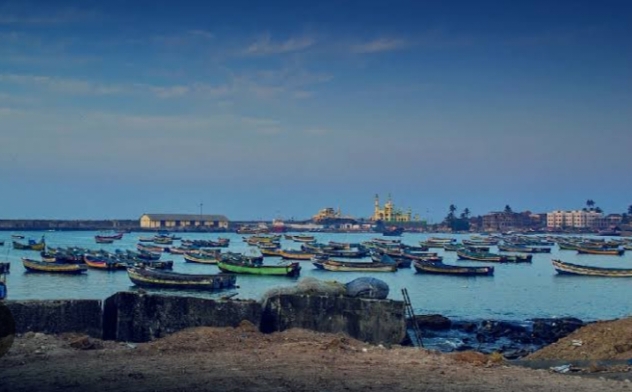
Vizhinjam International Seaport, developed and operated by Adani Ports and Special Economic Zone Limited (APSEZ) under a Public–Private Partnership (PPP) with the Government of Kerala, is rapidly consolidating its position as one of India’s fastest-growing container transshipment hubs. A series of operational milestones achieved in January 2026 underline both the port’s execution capability and its rising relevance in global shipping networks.
In January 2026, Vizhinjam recorded its highest-ever monthly container throughput of 123,092 Twenty-foot Equivalent Units (TEUs). During the same month, the port handled 62 vessels, the maximum processed in a single month since operations began, and achieved its highest Gross Crane Rate (GCR) of 30.12 container lifts per hour. Together, these indicators point to a sharp improvement in productivity at a port that has been in commercial operation for just over a year.
These results come alongside Vizhinjam’s steady rise in global rankings. The port has moved up to the 83rd position worldwide among container ports by handling volume. Since the commencement of operations, Vizhinjam has handled 740 vessels and 1.57 million TEUs, demonstrating a growth trajectory that compares favourably with established transshipment hubs in the region.
Operational momentum has been central to the port’s early success. Vizhinjam is India’s first semi-automated container port and among the few facilities in South Asia capable of handling the world’s largest container vessels. Between December 2024 and January 2026, the port handled more than 50 Ultra Large Container Vessels (ULCVs) with lengths exceeding 399 metres. Over 160 vessels handled during this period were longer than 300 metres, while 50 vessels arrived with drafts exceeding 16 metres.
Several regional benchmarks were set during this phase. MSC Verona became the deepest-draft vessel ever handled in South Asia at 17.1 metres, while MSC IRINA, currently the world’s largest container ship, also called at Vizhinjam, reinforcing the port’s capability to accommodate next-generation shipping assets.
Technology and workforce capability have played a defining role in supporting this performance. Vizhinjam has deployed an advanced, Made-in-India Vessel Traffic Management System (VTMS) to digitally monitor and guide vessel and yard movements, enhancing safety, predictability and turnaround efficiency. It is also the first container port in the country to deploy women automated crane operators, reflecting a progressive approach to workforce development and inclusion.
The port’s infrastructure fundamentals further strengthen its competitive positioning. Vizhinjam benefits from natural depths of 18 to 20 metres, minimal littoral drift and a three-kilometre-long breakwater, enabling year-round operations with limited dredging. Located close to major east–west shipping lanes, the port offers shipping lines a viable alternative to traditional transshipment hubs such as Dubai in the UAE, Colombo in Sri Lanka, Singapore and Port Klang in Malaysia.
Vizhinjam is now entering its next phase of growth. On January 24, 2026, Karan Adani, Managing Director (MD) of APSEZ, announced a ₹16,000-crore investment commitment towards the port’s expansion. Phase 2 of the project forms the core of this investment and will extend the container berth length from 800 metres to 2,000 metres, while increasing the breakwater length to approximately 3,900 metres, with completion targeted by 2028. Once fully developed, Vizhinjam’s capacity is expected to scale from 1 million TEUs to 5.7 million TEUs by 2029.
The expansion forms part of the Adani Group’s cumulative ₹30,000-crore investment commitment in Kerala, announced at the Invest Kerala Global Summit 2025, the largest private investment pledged in the State. Taken together, Phase 1 and Phase 2 represent the largest private-sector infrastructure investment in Kerala’s history.
As Vizhinjam builds on its early operational validation, its trajectory illustrates how port-led development can reshape regional logistics competitiveness. By combining natural advantages, modern infrastructure and execution capability,
Vizhinjam is emerging as a critical gateway in India’s maritime growth story, reinforcing the country’s ambition to capture a larger share of global container transshipment traffic.
APSEZ, India’s largest port operator with a 27 per cent market share, operates 15 ports and terminals across India, along with overseas operations at Haifa Port in Israel, Abbot Point Port in Australia, Colombo West Container Terminal in Sri Lanka and Dar es Salaam Gateway Terminal in Tanzania, giving it global operating depth and scale.